How to Get Your Law Firm Recommended by ChatGPT (and Google AI)
By Justin Davis · October 31, 2026
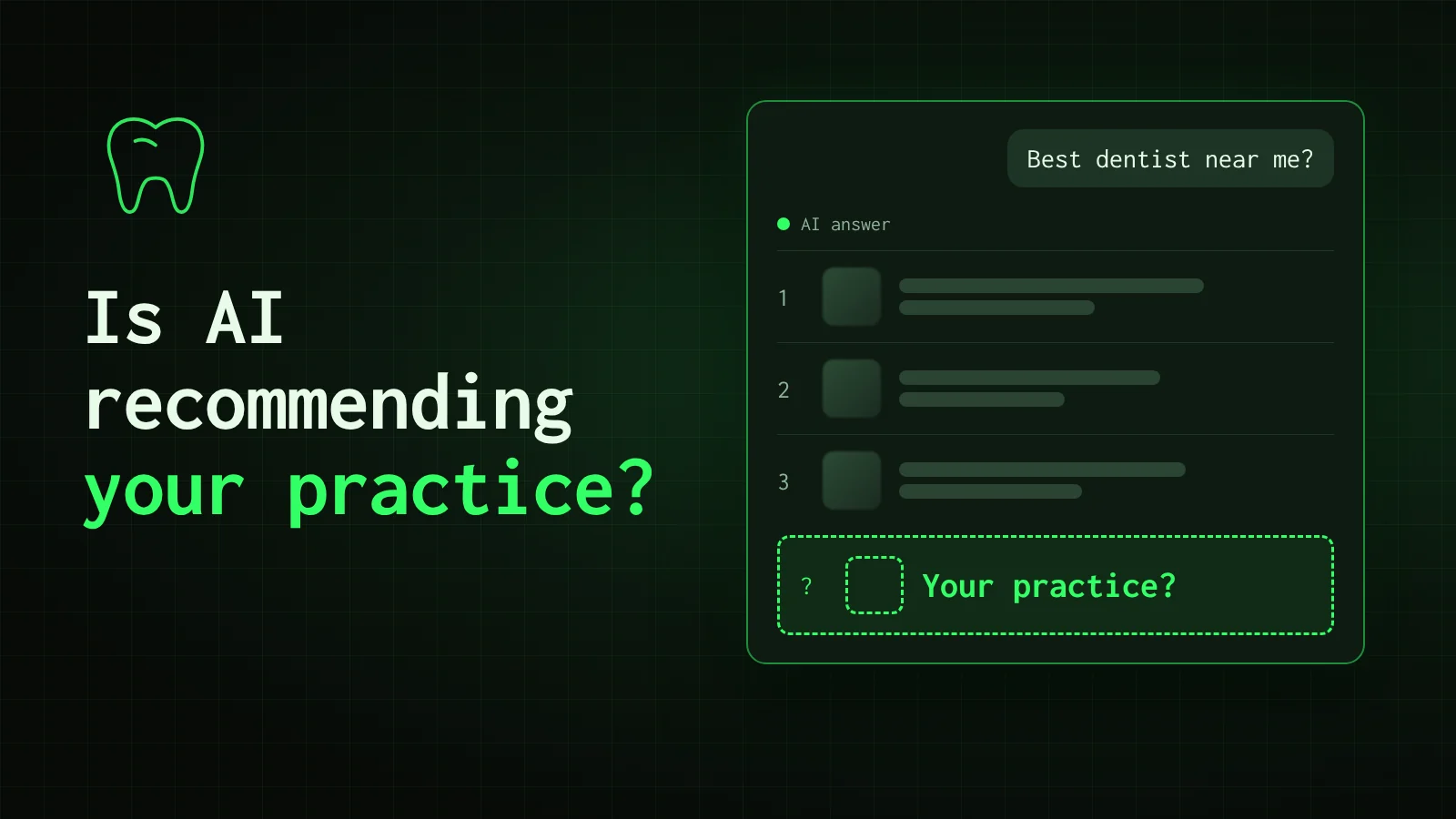
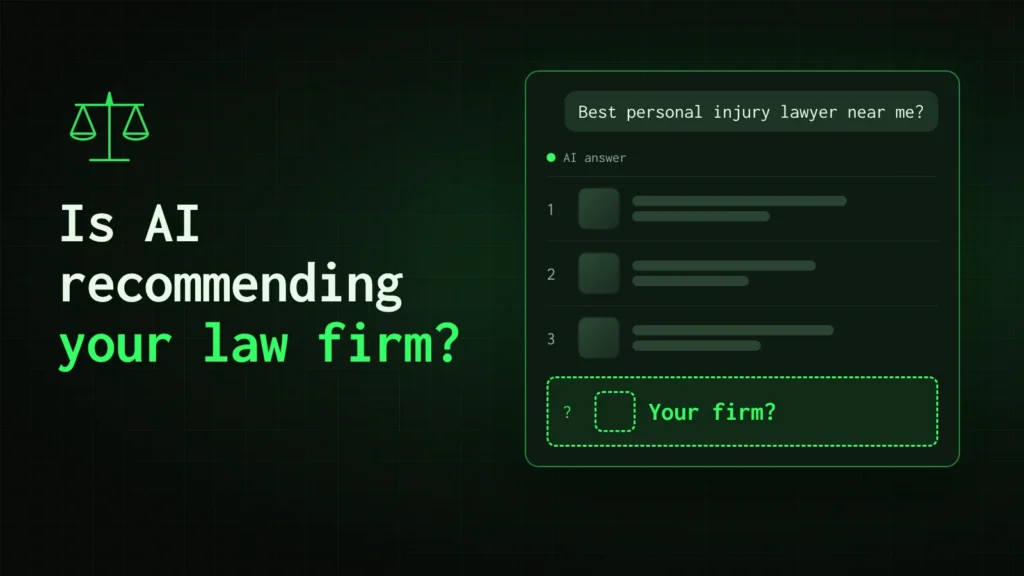
Someone gets hurt in a car crash. A few years ago, they would have searched Google and scrolled through a page of ads and law firm websites. Today, more of them open ChatGPT and type a plain question: “Who’s the best personal injury lawyer near me?”
ChatGPT answers with a short list. It names three or four firms, picks a favorite and stops. If your firm isn’t on that list, the person never sees you. There’s no second page to scroll to and no ad to click.
This guide explains how ChatGPT and Google’s AI decide which law firms to recommend, and the five steps that make your firm more likely to be one of them. Everything here comes from real AI answers we collected on October 31, 2026, not guesses about how the tools might work.
For other local businesses, see How to Get Your Business Recommended by ChatGPT.
How ChatGPT and Google’s AI Choose Which Law Firms to Recommend
When someone asks ChatGPT, Perplexity or Google’s AI for a lawyer, the tool runs web searches in the background. It reads the pages that come back, then writes an answer that names the firms those pages mention most often and most favorably.
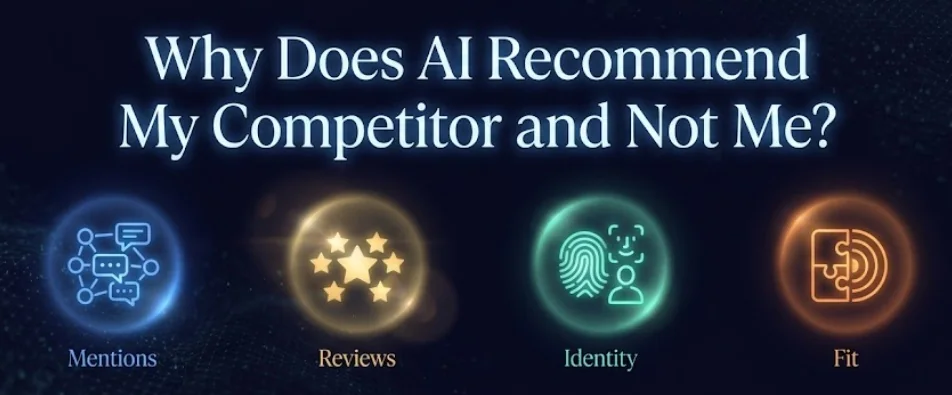
That means the AI isn’t picking a personal favorite. It’s repeating what the web already says about you. If directories, local news stories, legal publications and “best lawyers in your city” lists all mention your firm, the AI picks that up. If they don’t, you stay invisible, no matter how polished your website is. We covered the same idea from a different angle in Why Does AI Recommend My Competitor?, which explains why AI favors the businesses it can verify.

A real example from Houston
On October 31, 2026, we asked ChatGPT, “Who’s the best personal injury lawyer in Houston?” It named three firms and labeled one as its first call for a car accident. Then we asked a follow-up: “What sources did you use for that answer?”
ChatGPT listed each firm’s own website, the Better Business Bureau, the State Bar of Texas and a county bar association. It also added a useful warning of its own: law firm websites are marketing materials, so a firm’s advertised results should be checked independently.

We asked Perplexity the same question. Its sources included a Houston Chronicle “best personal injury lawyers” list and the Best Lawyers directory.
So the pattern is clear. AI tools build their answers from directories, bar associations, local “best of” lists, review sites and your own website. For a deeper look at where these tools pull information from, see Where Does ChatGPT Get Its Information?
What Five AI Engines Said About Getting Recommended
We also went straight to the source. Using AnswerBuilders, we asked ChatGPT, Claude, Perplexity, Google AI Overviews and Google AI Mode the same question: “How do I get my law firm recommended by ChatGPT?”
The five engines worded their answers differently, but they agreed on the same core advice:
- Keep your firm’s details consistent everywhere they appear.
- Get listed in the major legal directories.
- Show real, checkable proof of expertise on your website.
- Earn mentions from trusted third-party sites.
- Collect genuine client reviews.
One more point came up that every firm should understand. ChatGPT now shows ads, but they’re labeled as sponsored and sit apart from the answer itself. You can buy an ad. You can’t buy your way into the list of firms ChatGPT recommends. That spot is earned through the steps below, which line up closely with what we found when we studied how brands get cited by AI.
Step 1: Check What AI Says About Your Firm Today
Before you change anything, find out where you stand. Open ChatGPT and ask the questions your clients ask, using your practice area and your city. Try questions like “best estate planning lawyer in Tampa” or “divorce attorney near Plano.” Log out first, or use a private window, so your own history doesn’t shape the answer.
Then ask a follow-up: “What sources did you use for that answer?” Perplexity and Google’s AI show their sources right next to the answer. That list is your map. It shows the directories, lists and articles the AI trusts in your market, and whether your firm appears on any of them.
Run the same questions a few times over several days. AI answers change from one run to the next, so the firms and sources that keep coming back matter more than any single answer.
Step 2: Get Listed Where AI Looks
When we asked how law firms get recommended, Google’s AI Overview named the directories it leans on: Super Lawyers, Avvo, FindLaw, Martindale-Hubbell and Yelp. Perplexity added Justia. In the Houston example, ChatGPT also pulled from the State Bar of Texas and a county bar association, so your bar profiles count too.
Claim and complete every profile
Claim each profile and fill it in completely. Include your practice areas, every attorney, bar admissions, your service area, office hours and photos. A half-finished profile gives the AI less to work with than a complete one.
Keep your details identical
Make sure your firm name, address and phone number match exactly across your website, your directory profiles and your Google Business Profile. Google’s AI reads that profile directly. If one listing says “Suite 400” and another leaves it off, or one uses an old phone number, the AI has a harder time confirming that all those listings describe the same firm.

Step 3: Make Your Expertise Easy to Verify
AI tools try to back up what they say, so give them facts they can check.
Write detailed attorney bios
Each attorney should have a bio that lists bar admissions, years in practice and the kinds of matters they handle. Vague bios are hard for an AI to match to a specific question. Specific ones are easy.
Build practice area and city pages
Create one page for each practice area and each city you actually serve. Use the words your clients use, and state your jurisdiction plainly. Then answer the questions people ask before they call: what a consultation costs, how long a typical case takes and what happens next.
Use specific, accurate claims
Numbers beat adjectives. “Handled over 200 estate plans in Hillsborough County” tells an AI far more than “experienced estate planning attorney.” Every claim still has to be true and must follow your state’s advertising rules. The ABA’s Model Rule 7.1 bars false or misleading statements about a lawyer’s services, and most states follow a version of it.

Let the AI read your site
Make sure your website doesn’t block the crawlers AI tools use. OpenAI lists its crawlers, including the one behind ChatGPT search, on its crawler overview page. Your web developer can check your robots.txt file in a few minutes. If they can also add LegalService schema markup, it labels your firm’s details in a format machines read easily. Schema helps, but it won’t earn recommendations on its own.
Step 4: Get Mentioned on the Pages AI Already Cites
This is the step most firms skip, and it’s the one that moves the needle.
Go back to the source list from Step 1. Those pages are the ones shaping the answer in your market. When we asked AI engines about law firm marketing, they cited legal marketing guides, legal directories, review sites like Clutch and threads on Reddit. When we asked for the best personal injury lawyer in Houston, Perplexity cited a local newspaper’s “best lawyers” list.
Reach out to the people who run those pages
If a page the AI cites doesn’t mention your firm, contact the site. Ask to be added to the list. Offer a quote or a few practical tips for their next article. Pitch a local reporter a story on a legal topic you know well. Each new mention on a page the AI already trusts makes it more likely your firm shows up next time.

Don’t fake it
It can be tempting to publish your own “best lawyers in our city” article and rank your firm first. That kind of self-promotional list may hurt more than it helps. We looked at the evidence in Is Google Targeting Self-Promo Listicles? Mentions earned on independent sites carry far more weight.
Step 5: Collect Real Reviews, and Keep Testing
Genuine, recent reviews on Google, Avvo and Yelp help, especially for “near me” questions. Ask satisfied clients for a review, make it easy with a direct link and never script or buy reviews.
Then keep checking. AI answers shift as the tools update their sources, so test your key questions every month. Track which firms get named and which pages get cited, and adjust your outreach as the list changes.
Frequently Asked Questions
Can you pay to be recommended by ChatGPT?
No. ChatGPT now sells ads, but they’re labeled as sponsored and shown apart from the answer. The firms named inside the answer are there because the pages ChatGPT read mention them. That placement can’t be bought.
How long does it take for ChatGPT to start recommending my firm?
There’s no fixed timeline. It depends on how quickly new directory profiles, reviews and mentions go live, and on how often each AI tool refreshes what it reads. That’s why monthly testing matters. It shows you when new mentions start to change the answers.
Is this different from law firm SEO?
It overlaps a lot. Strong law firm SEO, such as clear practice pages, accurate listings and links from trusted sites, also helps AI tools find and trust you. The newer part is focusing on the specific pages AI answers cite. That practice is often called generative engine optimization, or GEO. Our guide What Is GEO? explains it in more detail.
Does Google’s AI work the same way as ChatGPT?
The details differ, but the pattern is the same. In our tests, Google’s AI Overviews named many of the same legal directories, and it reads your Google Business Profile directly. The five steps above apply to both.
Does schema markup get my firm recommended?
It helps machines read your firm’s details correctly, but it isn’t enough on its own. The AI engines we asked treated schema as a supporting step. Mentions on trusted third-party pages mattered more.
Watch the Full Walkthrough
The video at the top of this page walks through all five steps in about six minutes, with the real ChatGPT and Perplexity answers on screen. You can also watch it on YouTube. If your business isn’t a law firm, start with our overview: How to Get Your Business Recommended by ChatGPT.
See Which Pages AI Cites for Your Firm
Checking dozens of questions across five AI tools by hand gets old fast. AnswerBuilders asks ChatGPT, Claude, Perplexity and Google’s AI the questions your clients ask. It shows whether your firm is named, and it lists every page the AI cited. Those pages become your outreach list.
AI recommends businesses based on the web pages it reads. We show you which pages those are, and then we get you onto them.
If you’d rather have the work done for you, the AnswerBuilders outreach program contacts every one of those sites on your behalf.
Start with a simple test today. Ask ChatGPT for the best lawyer in your city and practice area. If your firm isn’t on the list, you now know exactly where to begin.
About the author

Justin Davis is the founder of Link Builders, a white-label backlink agency, and has been building links since 2015 for more than 150 clients in law, healthcare, real estate, software and other industries. After years of doing prospecting research by hand, he built an AI agent link building system that handles each step, from finding link opportunities and vetting sites to finding contacts and preparing outreach. He now works every project himself, running that system for agencies and in-house SEO teams, earning the links and mentions that help their clients show up in Google and in AI answers, and teaches it on YouTube. He also built AnswerBuilders, the AI visibility platform Link Builders uses to find the pages AI answers cite. Find Justin Davis on YouTube, LinkedIn and X.