How AI Outreach QA Gates Protect Link Building Quality
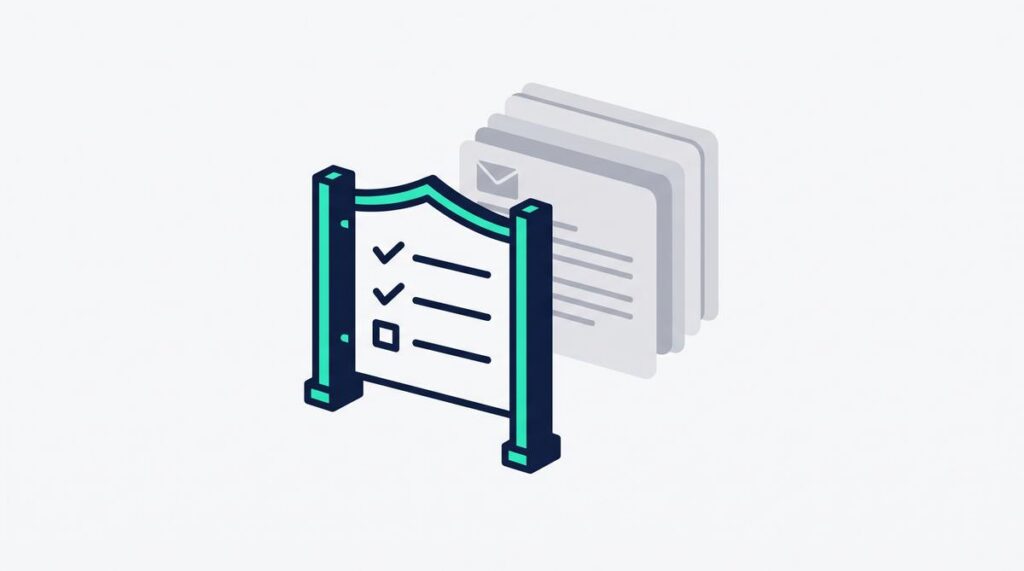
Link building teams adopted drafting tools faster than they adopted review habits. Models can produce a polite note in seconds. They can also invent a compliment, miss the page topic, or push a hard sell that an editor will never forgive. That is why serious SEO programs need AI outreach QA gates before anything leaves the queue. Gates turn speed into a controlled process instead of a reputation risk.
I’m Justin Davis, and at Link Builders I run every engagement myself with AI agents and treat quality control as part of the product. Automation can assemble research and first drafts. A human still decides what is accurate, relevant, and worth sending under a client brand.
Why unchecked AI drafts still burn SEO domains
The failure mode is familiar. A tool scrapes a title, inserts a name, and claims the pitch is personalized. The message still reads like a template. Worse, the model may invent a detail the publisher never wrote. Editors notice. Some mark the domain as noisy. Others ignore every future note from the same sender.
Search systems keep rewarding helpful pages and trustworthy signals. Google’s guidance in Search Central stays centered on people-first content. Outreach that misrepresents a site fights that reality. It asks a busy editor to fix the sender’s homework.
The cost of shipping “good enough” pitches
Weak sends create quiet damage. Specialist time disappears into follow-ups that never had a chance. Reply rates fall, which tempts teams to raise volume again. Brand risk rises when a careless claim sits next to your company name. QA gates shrink those costs before the first draft reaches an inbox.
What a practical QA gate stack checks
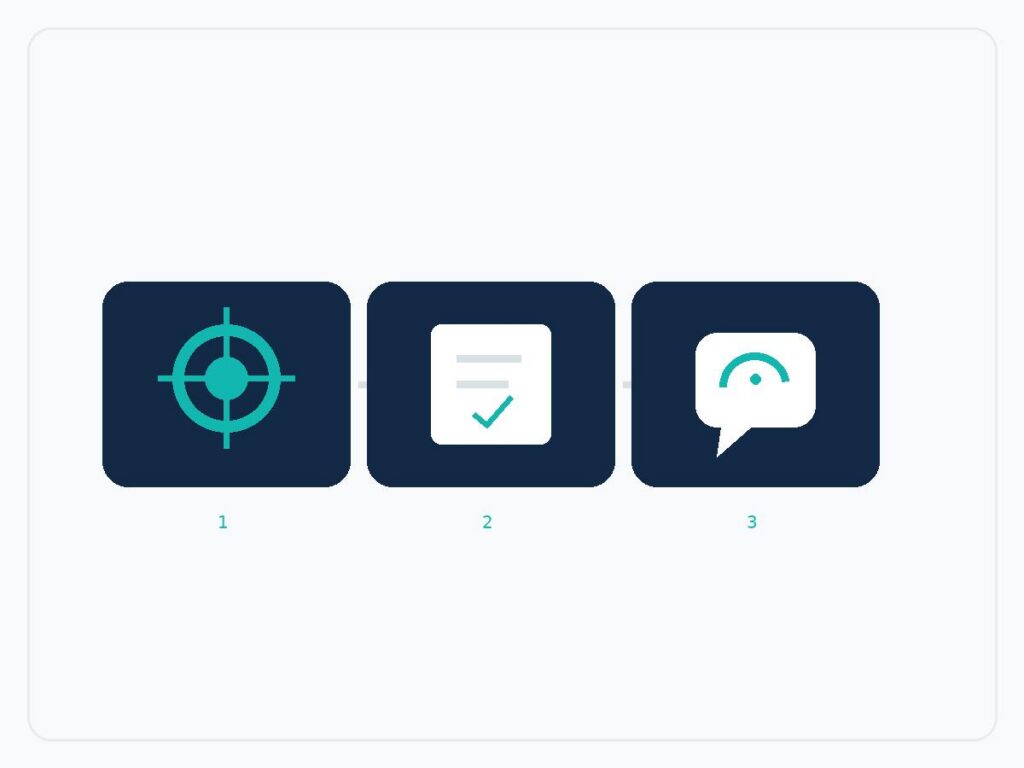
Useful gates are not one magic score. They are a short stack of checks that catch different failure types. Strong setups combine automated rules with a human veto and still leave room for judgment.
Gate one: prospect and page relevance
Confirm the site still accepts the kind of asset you are offering. Confirm the target URL matches the pitch. Reject anything that could apply to any blog in the niche. Relevance frameworks from Moz remain useful for aligning teams on topical fit and authority before automation enters the workflow. If the page angle and your resource do not share a clear reader problem, the draft fails the gate.
Gate two: claim accuracy and proof
Every specific claim needs a source the specialist can verify in seconds. No invented stats. No fake compliments about awards the site never won. No “as you covered last week” lines when the article is months old. Proof can be a methodology note, a unique chart, or a clear data point. Research hubs such as the Ahrefs blog and reporting from Search Engine Journal regularly discuss link patterns and outreach quality. Use those sources to set client expectations, not to justify blasting every high-metric domain a model suggests.
Gate three: tone, compliance, and send readiness
Tone should match the publisher, not your brand deck. Compliance covers claims you never make, niches you never pitch, and legal sensitivity around health, finance, or YMYL topics. Send readiness means the subject line, greeting, and ask are complete, the tracking fields are filled, and the human reviewer has signed off. Auto-sending after a green model score is how campaigns go wrong.
Building gates into a modern outreach workflow
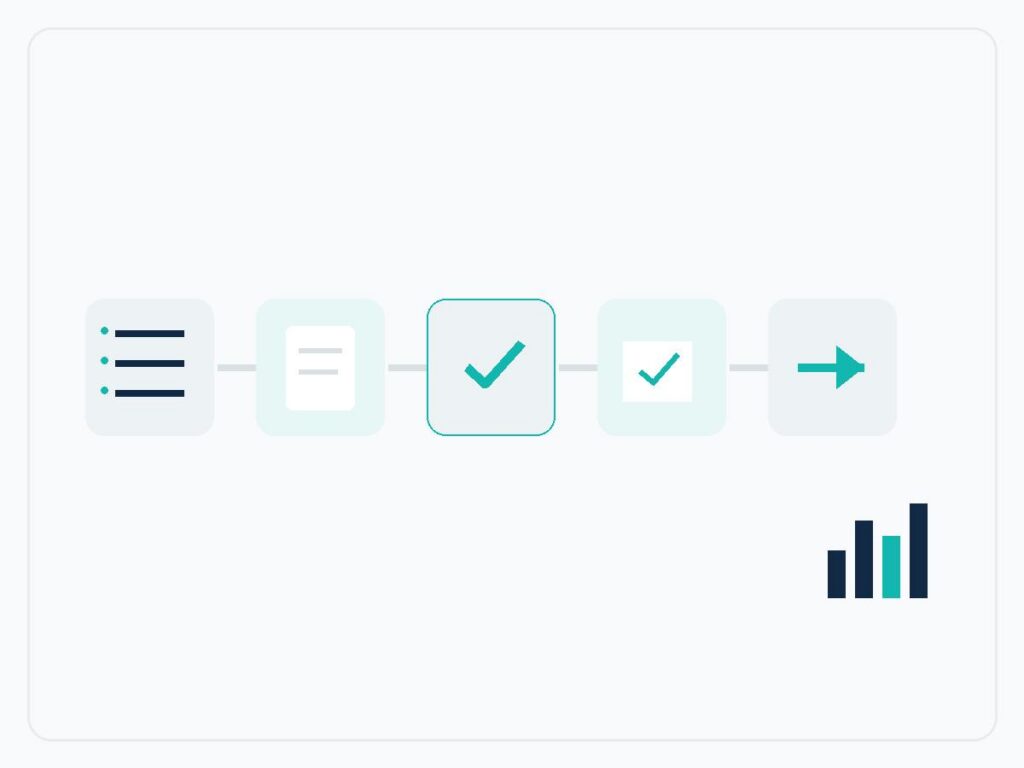
A clean workflow keeps software in a supporting role. Begin with a filtered shortlist. Generate drafts from structured fields. Run automated checks for missing URLs, empty proof fields, banned phrases, and length outliers. Have a human cut anything off-brand, inaccurate, or too salesy. Only then send and log outcomes for the next round of prompts.
Human veto rights after the model passes
Passing an automated gate is not permission to ship. Brand voice, relationship history, and prior rejections need a person in the loop. A healthy rule looks like this: models draft, systems check, humans approve, systems log replies. That pattern scales. Unsupervised blasting does not.
Keep a short style card next to your prompts. Include preferred greetings, claims you never make, proof points you always include, and niche exclusions. When gates and style cards work together, first-pass drafts need lighter edits and reply quality stays healthier as volume grows.
Scorecards that prove the gates are working
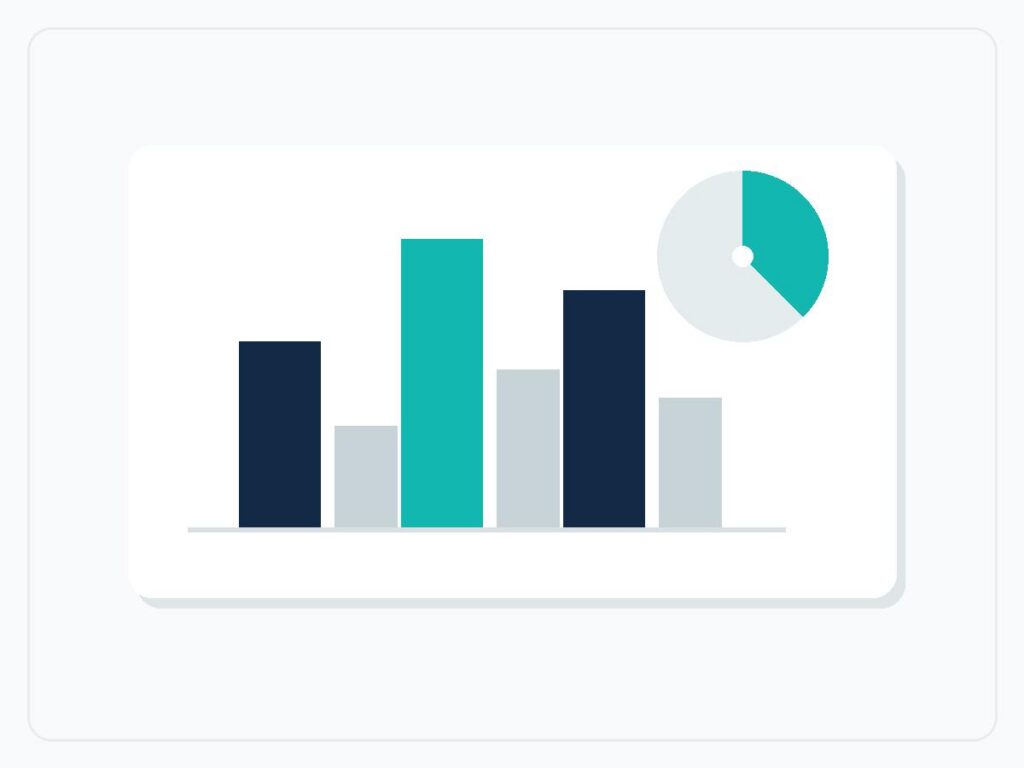
Faster drafting is useless if reply quality falls. Track a short set of signals before you expand volume.
- Reject rate by gate (relevance vs accuracy vs tone).
- Positive reply rate per 100 emails that cleared every gate.
- Share of replies that mention the specific page or asset you pitched.
- Links earned per week of specialist time.
- Average human edit time per draft after automated checks.
- Unsubscribe, spam, or “never contact” signals by campaign.
If positive replies rise while edit time falls, the gates are helping. If volume rises while relevance drops, tighten the relevance rules and review which prompts overfit vanity metrics. Clients care about placements and keyword movement, not about how many near-identical emails left the queue on Monday.
Selling quality-controlled link packages with confidence
QA becomes commercially useful when it supports a clear package. Define the ideal referring domains in plain language. Show clients which checks run before a send. Report which prospects were rejected and why. That transparency builds trust faster than vague talk about “AI-powered outreach.”
Start narrow. Prove the workflow on one service page or content cluster. Expand only after reply quality looks healthy. Most buyers care more about quality controls than about whether research software helped assemble the message. Measurable placements plus clear process notes create longer retainers than mystery automation claims.
When you present packages to clients, include a one-page gate summary. List the relevance checks, the accuracy checks, and the human approval rule in plain language. Buyers understand process notes faster than buzzwords. That same summary also trains new specialists so quality does not depend on one senior reviewer remembering tribal knowledge.
If you want outreach that protects domain trust while it earns placements, review a scoped link building package with me at Link Builders. Quality gates are part of how modern link building stays sellable.
About the author

Justin Davis is the founder of Link Builders, a white-label backlink agency, and has been building links since 2015 for more than 150 clients in law, healthcare, real estate, software and other industries. After years of doing prospecting research by hand, he built an AI agent link building system that handles each step, from finding link opportunities and vetting sites to finding contacts and preparing outreach. He now runs that system for agencies and in-house SEO teams, and teaches it on YouTube. Find Justin Davis on YouTube, LinkedIn and X.