How AI Personalization Layers Improve Link Building Outreach
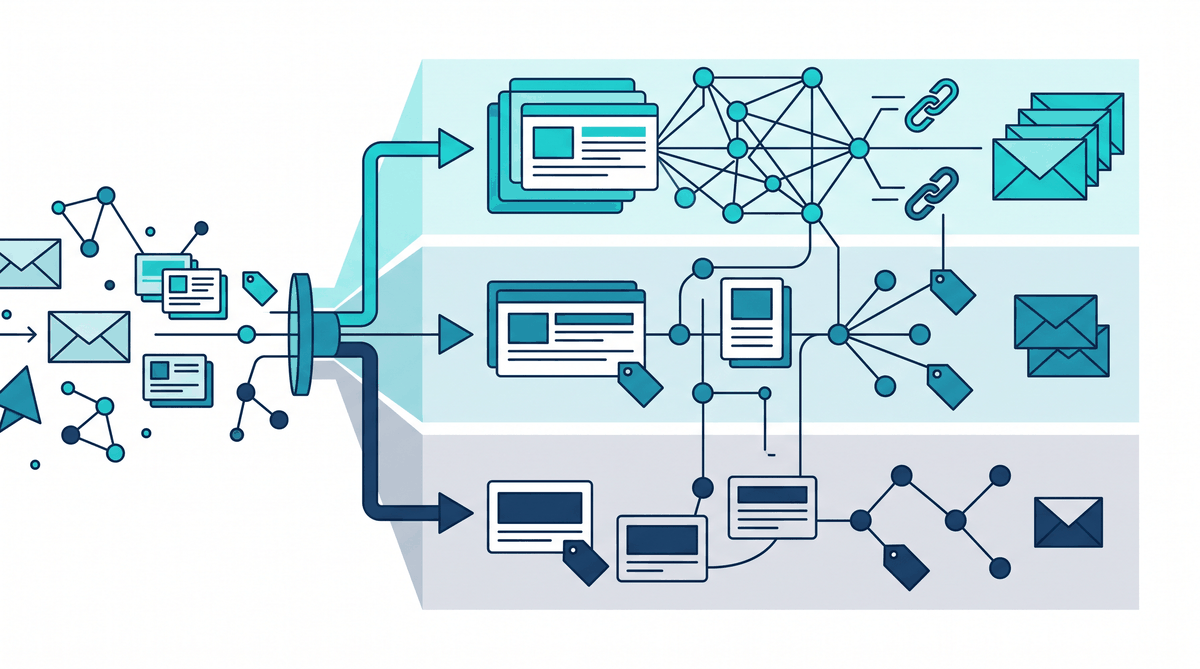
Link building outreach still fails for a familiar reason. Teams send more emails instead of better ones. Editors can spot a template in a sentence or two, and once that happens, relevance, authority, and brand trust all suffer together. Teams that adopt AI personalization layers can stack prospect context, page fit, tone, and proof into drafts that a specialist can finish quickly, then send only what still sounds human.
That is not a claim that software will invent relationships. It is a practical way to protect quality. At Link Builders, Justin Davis and the team treat personalization as editorial work, not as a volume trick. The goal is fewer wasted sends, clearer pitches, and outreach that publishers can take seriously.
Why generic outreach blasts still fail editors
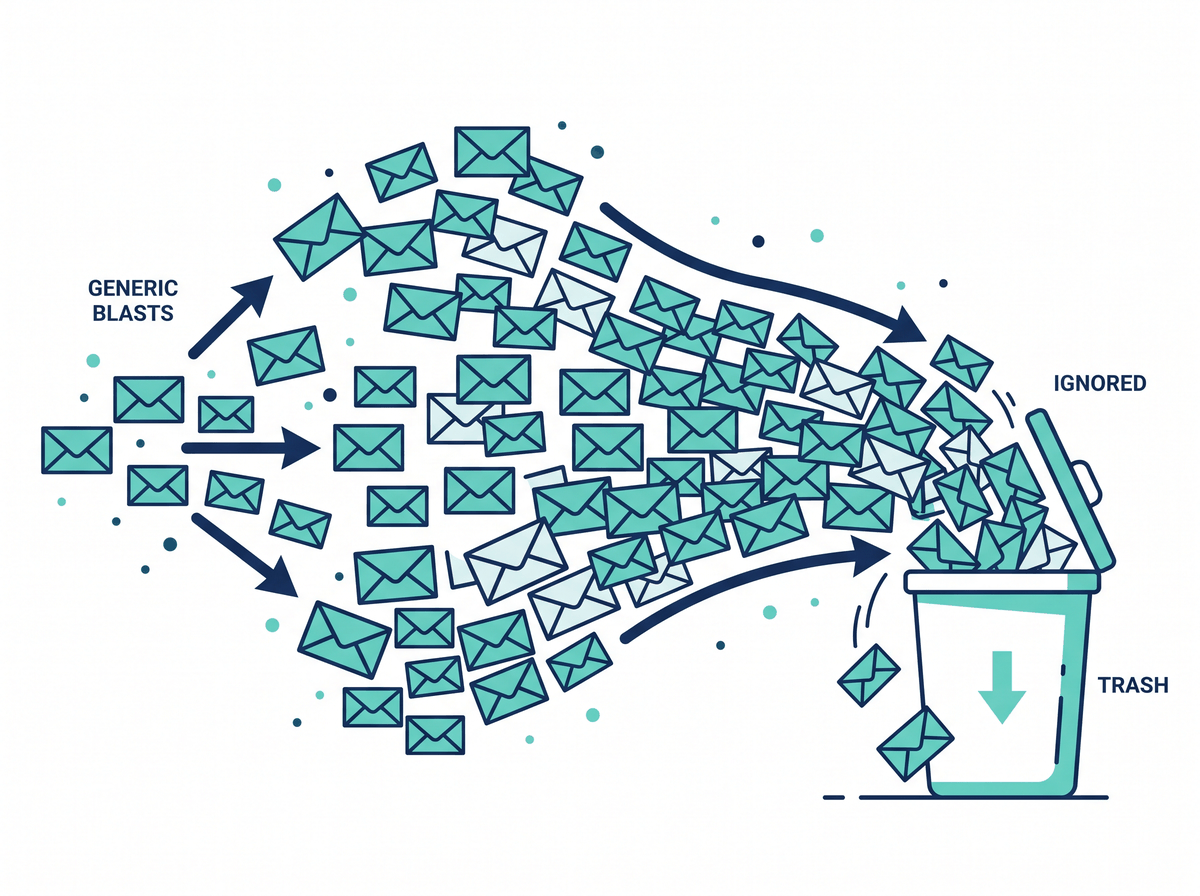
Many SEO campaigns still begin with a filtered list and a nearly identical message. Names and domains get swapped. The pitch stays the same. That approach can create activity metrics. It rarely creates placements worth reporting. Editors and site owners read for fit. They want to know why this page, why this audience, and why now. A blast that skips those answers trains inboxes to ignore the next message from your domain.
Search systems continue to reward helpful content and trustworthy signals. Google’s guidance in Search Central keeps publishers focused on people-first pages. Links that point to those pages work best when the referring conversation feels specific. Generic outreach fights that reality. It asks busy people to do the relevance work the sender skipped.
The hidden cost of “close enough” personalization
Weak personalization creates three quiet costs. First, it burns specialist time on follow-ups that never had a chance. Second, it lowers reply rates, which pushes teams toward even more volume. Third, it raises brand risk when a careless note lands next to your company name. Strong layers shrink those costs before the first draft leaves the queue.
What personalization layers actually stack
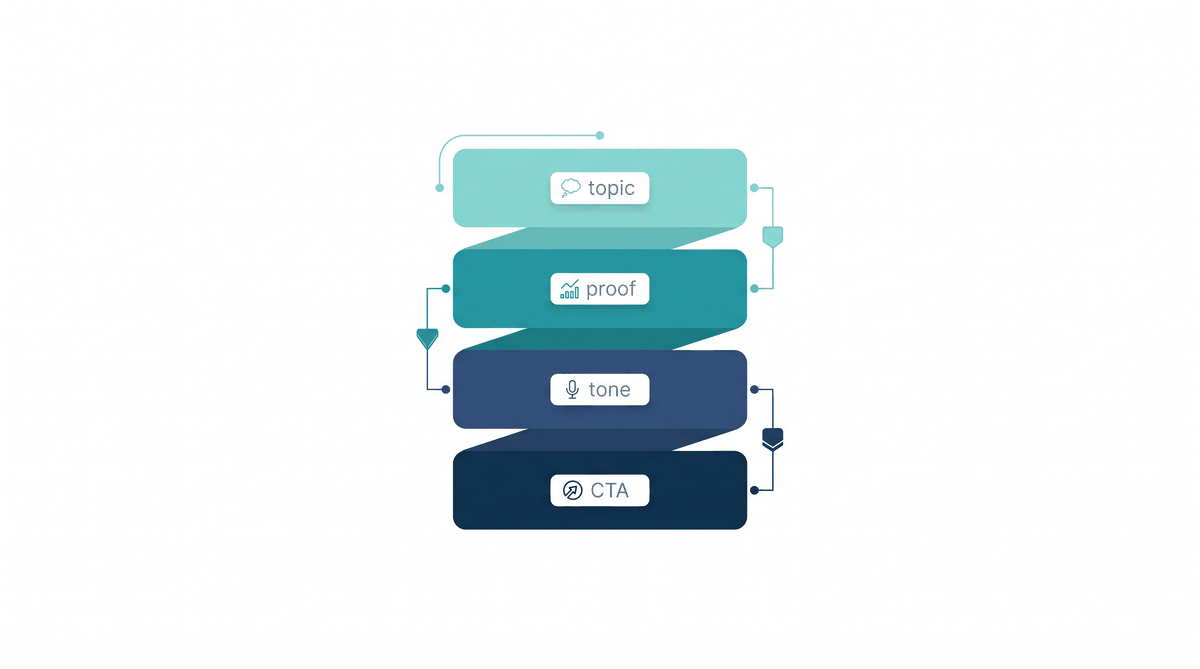
Useful personalization is not one clever line about a blog post title. It is a short stack of signals that shape the message from greeting through ask. Strong setups combine several layers and still leave a human in charge of the final send.
Layer one: audience and site context
Start with who the site serves and what it recently published. A finance blog, a SaaS resource hub, and a regional news outlet need different framing even when they cover overlapping keywords. Industry explainers from Moz remain useful for aligning teams on relevance, authority, and anchor text before automation enters the workflow. Context layers should also note language, geography, and whether the publisher accepts contributions at all.
Layer two: page-level and offer fit
The second layer ties your asset to a specific URL or section. Mention the angle the page already takes, the gap your resource fills, or the reader problem both pieces address. Avoid flattery that could apply to any site. Page-level fit is where most templates collapse, and where careful teams win replies.
Layer three: tone, proof, and timing
Tone should match the publisher, not your brand deck. Proof can be a data point, a unique chart, or a clear methodology note. Timing matters when the site just covered a related topic or runs a recurring roundup. Research hubs such as the Ahrefs blog and reporting from Search Engine Journal regularly discuss outreach quality and link patterns. Use those sources to set client expectations, not to justify blasting every high-metric domain a model suggests.
How layers fit a modern outreach workflow
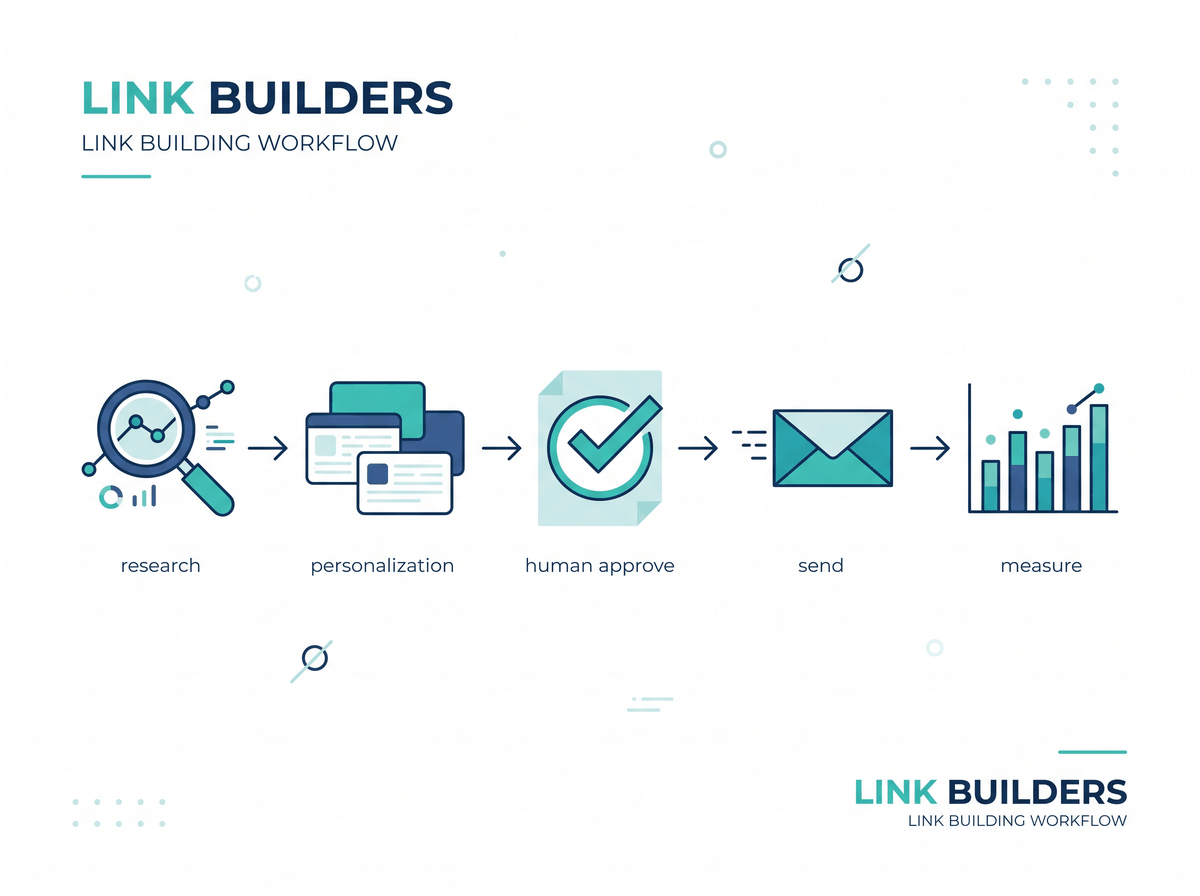
A clean workflow keeps software in a supporting role. Begin with a filtered shortlist. Generate layered drafts from structured fields. Have a human cut anything off-brand, inaccurate, or too salesy. Only then send and log outcomes for the next round of prompts.
Human approval gates after the model drafts
Auto-sending is where campaigns go wrong. Brand voice, legal sensitivity, and relationship history need a person in the loop. A healthy rule looks like this: models draft, humans approve, systems log replies. That pattern scales. Unsupervised blasting does not.
Keep a short style card next to your prompts. Include preferred greetings, claims you never make, proof points you always include, and niche exclusions. When layers and style cards work together, first-pass drafts need lighter edits and reply quality stays healthier as volume grows.
Reply metrics that prove personalization is working
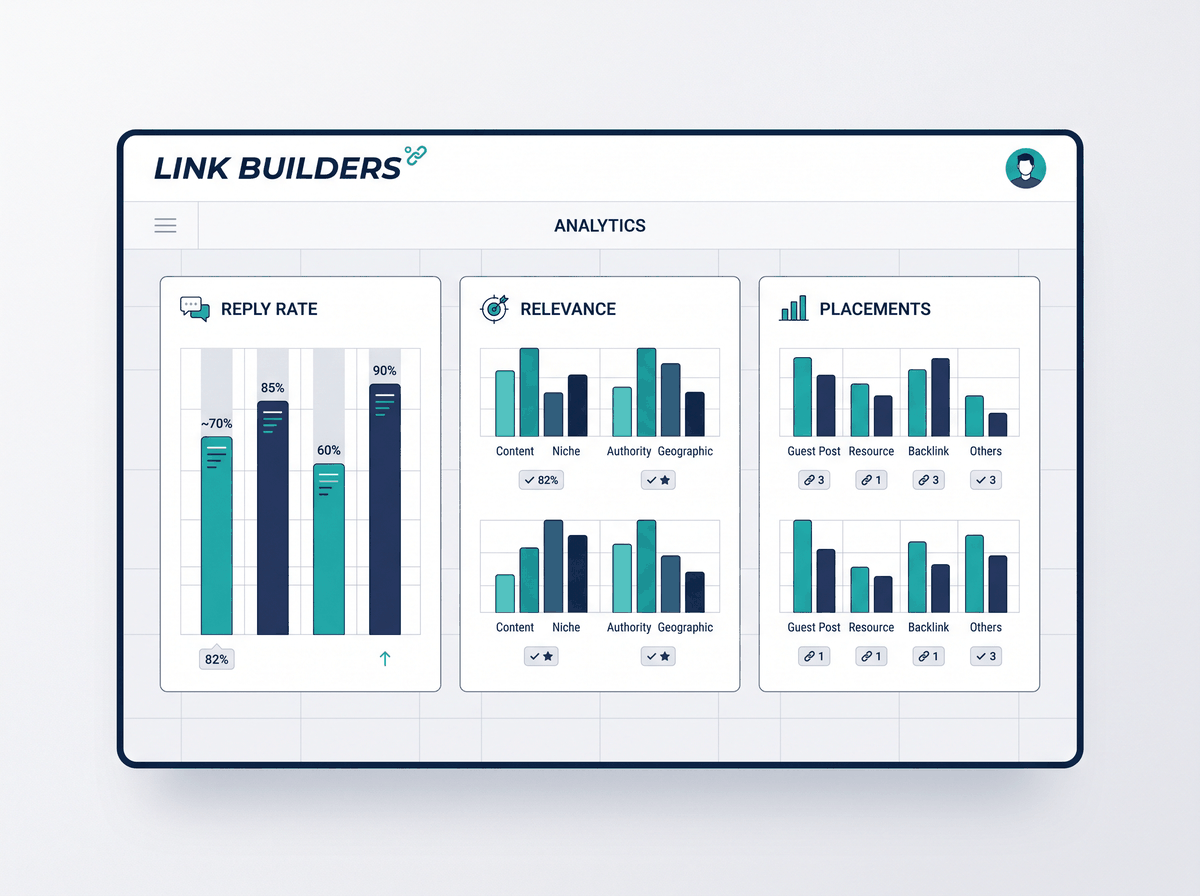
Faster drafting is useless if reply quality falls. Track a short set of signals before you expand volume.
- Positive reply rate per 100 personalized emails.
- Share of replies that mention the specific page or asset you pitched.
- Links earned per week of specialist time.
- Average human edit time per draft before send.
- Unsubscribe, spam, or “never contact” signals by campaign.
If positive replies rise while edit time falls, the layers are helping. If volume rises while relevance drops, tighten the context fields and review which prompts overfit vanity signals. Clients care about placements and keyword movement, not about how many near-identical emails left the queue on Monday.
Turning layered outreach into sellable link packages
Personalization becomes commercially useful when it supports a clear package. Define the ideal referring domains in plain language. Show clients how context and page fit are captured before a draft is written. Report which prospects were rejected and why. That transparency builds trust faster than vague talk about “AI-powered outreach.”
Start narrow. Prove the workflow on one service page or content cluster. Expand only after reply quality looks healthy. Most buyers care more about quality controls than about whether research software helped assemble the message. Measurable placements plus clear process notes create longer retainers than mystery automation claims.
Justin Davis built Link Builders around high-quality backlinks that support measurable SEO goals. Layered personalization is now part of how that outreach gets prepared, but the standard stays the same: relevant sites, respectful messages, and reporting that shows what moved.
If your team needs stronger referral signals without wasting cycles on generic blasts, review a link building package from Link Builders. Share your priority URLs, target keywords, and quality bar. From there the team can map a layered outreach plan that still keeps humans in charge of every send that carries your brand.
Whether you need a focused burst around a launch or an ongoing program that compounds authority over months, the right package should feel specific to your niche. Reach out through link-builders.com and ask for a scoped recommendation based on the metrics that matter to your rankings.