Local SEO Tactics for Realtor Websites & Google Business Profile Listings
Updated October 2, 2026 · Originally published April 19, 2020
Originally published on: realtor.com Hub — Local Real Estate SEO Tactics
By Justin Davis, Link Builders (founded 2015). As of 2026, that’s 11 years specializing in white-hat link building — this piece itself is a local SEO guide for realtor sites, refreshed so naming and context stay current.
What this page is (and isn’t): It’s practical local-pack / Google Business Profile advice for real estate sites. Link Builders’ core product is white-hat outreach hours (not a “realtor SEO retainer” or per-link package). Where local links matter, the same quality standards apply.
There are various strategies for getting exposure to realtor websites and Google Business Profile (GBP) listings in search results. Search engine optimization (SEO) is still one of the few digital channels that can improve the position of a website or GBP listing for many keyword phrases over time.
Showing up higher and more often for popular searches with good user intent means more targeted leads and more business. Realtors love clever ways to market their properties. This guide gives actionable advice on how to get more eyes on local property listings from Google search — with naming updated for 2026 (Google retired the “Google My Business” brand in favor of Google Business Profile).
Improve Rankings in Local Listings
Realtors need to be found near the top of the local map section of Google search results when someone is searching for an agent.
There are many reasons search engines like Google give preference to a website in the local map section. Reviews, general SEO strength, NAP+W citations, and localized content and links are all big factors in determining which businesses are up top and which are below the fold.
Encourage and Develop High-Quality Reviews
The amount and quality of reviews are factors in local map rankings. Businesses should actively employ review-building tactics to encourage participation and reviews on their Google Business Profile.
Keep in touch with clients a few times during the first three months after selling a property. By staying in touch, clients will be more receptive and not feel disturbed when asked to leave a review. Regular contact will allow the realtor time to nurture the relationship and close any loose ends. In a second or third email, ask for the review directly in a single email that explains exactly how to leave a review. Many realtors find it easiest to use review-request tools (BirdEye and similar) that collect reviews via a short text or email flow.
Improve Your SEO Strength
If a local real estate site already ranks well in organic results, that same SEO strength often helps influence the site’s position in the map section. Realty sites improved through technical on-site SEO often fare better than those that have not — clearer structure helps Google understand the page.
Off-page factors — the quantity, quality, and types of backlinks pointing to a domain — also influence local-pack competitiveness. The more authority and relevance a site earns in organic results, the more likely it is to show up near the top of the local map. (As of 2026, Link Builders still approaches those links as white-hat outreach hours, not a promised link count.)
Check for NAP+W Citations
NAP+W citations are another influence on local map rankings. Citations are places on the web where a business Name, Address, Phone number, and Website are published. That identifying contact information should appear in a consistent format across authoritative directories and your GBP.
Submit and maintain listings through modern local data paths (GBP itself, major directories, and current data aggregators / local listing platforms — the old “Factual / Localeze”-era branding in many 2020 guides is outdated). Consistency matters more than stuffing every obscure directory.
To find citation opportunities, reverse-engineer competitor citations (Chrome extensions and local SEO tools can help surface them), then request inclusion where the listing is real and relevant.
Depth of Content + Localized Content and Links
The amount and depth of content on the site matters. Localized content and local links help. When a page is clearly about a local area, and the site earns links from local businesses and organizations in that area, Google has an easier job of recognizing a local player.
Ways to earn local links that still make sense:
- Submit agency news to local news outlets
- Contribute useful guest posts or donate time to local organizations
- Sponsor local teams and events (with a real, relevant link when earned)
- Join local groups and industry associations
- Analyze and thoughtfully pursue the local link patterns already pointing to competitors — quality and relevance first
Implement Structured Data Markup
Schema / structured data markup gives crawlers extra detail about a page. A developer or skilled SEO technician is often required to implement it cleanly.
Common real estate–related schema types
RealEstateAgentPlaceRentActionResidencePostalAddressOffer- See others at schema.org/RealEstateAgent
Create Blog Posts
Create blog posts targeting real estate keywords and local search terms such as:
- [City] real estate listings
- [City] homes for sale
- [City] realtors
- homes for sale near me
- realtors near me
Do not over-optimize. Use keywords naturally and sparingly. Use new posts to link to relevant local listing pages on the site, and share posts where the audience already is.
Track SEO Progress with Key Performance Indicators
Peter Drucker’s line still holds: what gets measured gets managed. Useful KPIs for a local realtor SEO effort include keyword rankings, organic search traffic, positions in the local map section, citation and link progress, leads/contacts, and conversions.
Rankings / keyword positions
Tools commonly used here include Ahrefs and Semrush. Cumulative gains can indicate progress; drops can mean a technical issue, a SERP change, or a bad change that needs rollback. Tracking local-pack positions is often easiest with a dedicated local rank tracker (Whitespark and similar).
Track organic search traffic
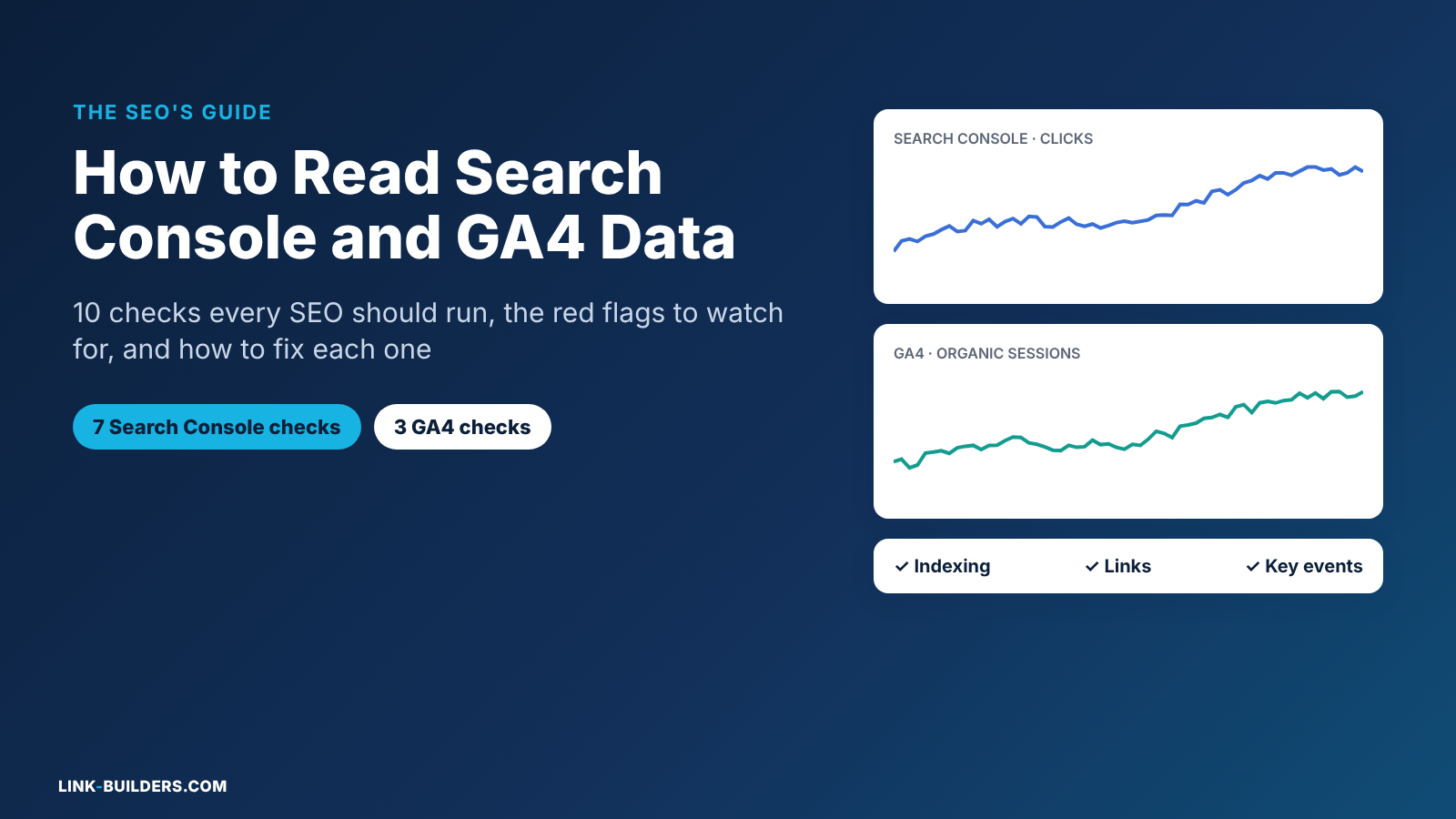
Google Analytics (GA4) shows how many users arrive from organic search. Increases usually come from SEO progress, higher search volume, or competitor shifts. Use Google Search Console to see which queries drive impressions and clicks. Target queries with high impressions and low CTR by improving titles and descriptions to match intent.
Summary
Improving SEO and rankings of realtor sites and Google Business Profile listings still requires consistent work: strong reviews, solid on-site SEO, accurate citations, localized content, and quality local (and topical) links.
If you need white-hat outreach as part of that mix — hours on prospecting, vetting, and relationship-driven placement, with publisher fees at cost — see how the process works and backlink pricing ($160/hr · 30 hours prepaid $4,800 · Buy the Machine $9,600 including onboarding and an 8-hour prospecting cycle).
About the author

Justin Davis has been building backlinks since 2015 and has built links for more than 150 clients across law, healthcare, real estate, software, and other industries. He built the first version after years of doing the research by hand, and now builds the same workflow for in-house teams. More on who Justin Davis is, on YouTube, on LinkedIn, or on X.